
Tag: JavaScript
July 25, 2026
Bun 2.0: Should Your Node.js Projects Switch in 2026?
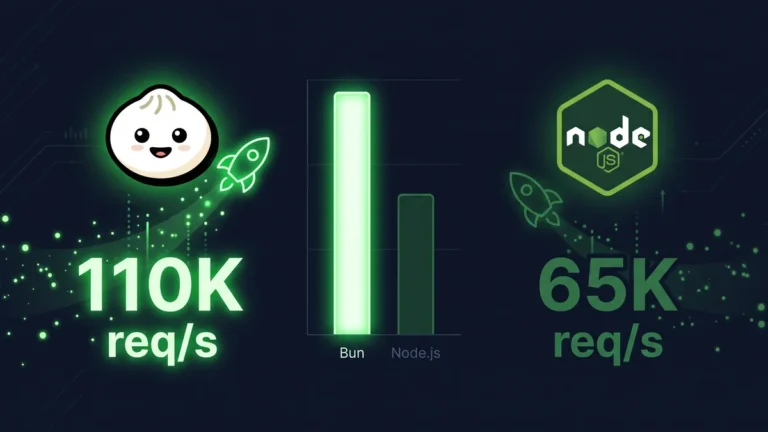
Bun has been promising to replace Node.js for two years. Bun 2.0 is the version where the conversation gets serious. It’s not a toy anymore — it’s running in production at real companies, it ships 95%+ Node.js compatibility, and the performance numbers are genuinely significant. But “should you switch” is the wrong question. The right […]
July 25, 2026
The JavaScript Ecosystem in 2026: What’s Dead, What Won, and What’s Next
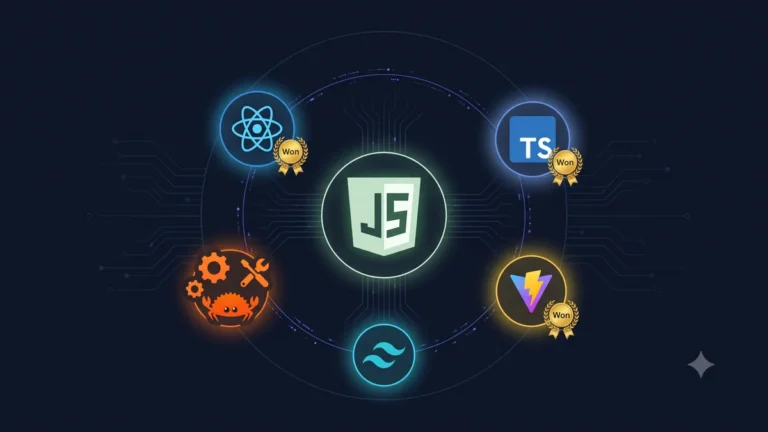
Every year someone publishes “The State of JavaScript” and every year it generates anxiety — too many frameworks, too much churn, too hard to know what to learn. This is a different kind of analysis: what actually settled, what genuinely changed, and what you should care about versus what you can safely ignore. What Actually […]
July 24, 2026
React Compiler is Now Written in Rust: What This Means for Your Build Times
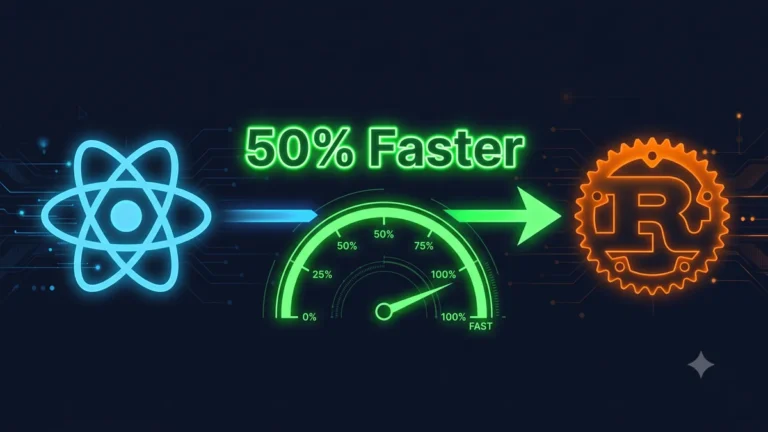
Meta just merged something significant into the React repository: a complete Rust rewrite of the React Compiler. Not an experiment in a separate branch — merged into the main React monorepo, shipping in Next.js 16.3, and already delivering 20–50% faster builds in real applications. If you’ve been watching the frontend toolchain shift toward Rust over […]
July 21, 2026
Vite 7 vs Webpack 5: Why Every Laravel Developer Should Switch to Vite
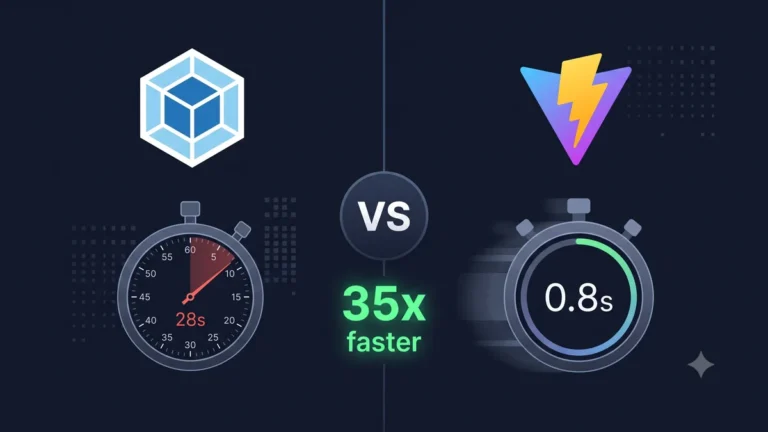
If your Laravel project still uses Laravel Mix (which runs on webpack under the hood), you’re using a build tool from a different era. Vite 7 is faster, simpler, and ships with Laravel 13 by default. This guide explains why the switch matters and exactly how to make it. The Build Tool Landscape in 2026 […]

July 21, 2026
Cloudflare Workers for Indian Developers: Edge Computing Practical Guide
Cloudflare Workers lets you run JavaScript at the network edge — in data centers physically close to your users, rather than in a central server. For Indian users, this means the difference between 400ms response times from a US server and 20ms from Cloudflare’s Mumbai or Chennai edge nodes. This guide covers what Cloudflare Workers […]
July 20, 2026
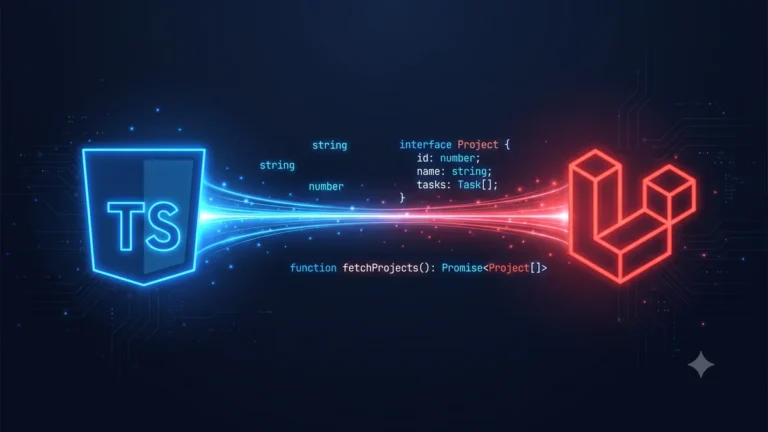
TypeScript in Laravel Projects: Complete Setup Guide 2026
TypeScript has become the professional baseline for JavaScript development in 2026. If your Laravel project has a React or Vue frontend, running plain JavaScript is leaving a significant safety net on the table. This guide covers a complete TypeScript setup for Laravel — from Vite configuration to shared types between your PHP backend and React […]
July 19, 2026
Next.js 15 vs Nuxt 4 vs SvelteKit 2: Which Meta-Framework in 2026?
Three meta-frameworks dominate the modern JavaScript landscape: Next.js, Nuxt, and SvelteKit. All three are production-ready, all three handle SSR and SSG, and all three have passionate communities. The differences matter enormously for the right project. This is a practical, opinionated comparison based on real project experience — not benchmark charts. Quick Verdict Category Winner Ecosystem […]
July 10, 2026
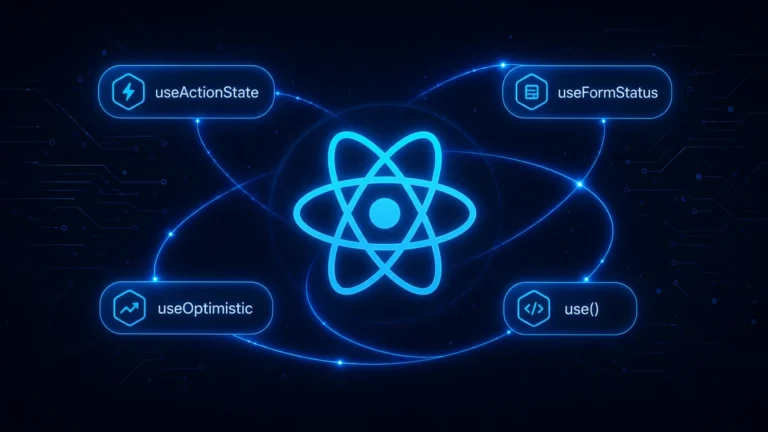
React 19 Actions: The End of useEffect for Data Fetching
React 19 quietly changed how we think about data fetching and form handling. If you’re still reaching for useEffect to load data or useState to track form submission states, you’re writing 2022 React in 2026. This guide covers React 19 Actions — what they are, why they exist, and how to use them in real […]