
Softcrony Blog
Product, engineering, marketing, and practical business lessons from real client work.
September 7, 2026
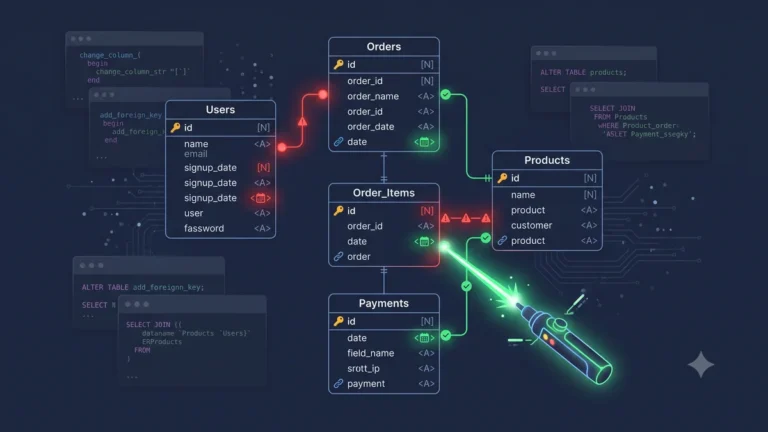
Database Audit: What AI Misses When It Writes Your Queries and Schema
This is Part 6 of our AI Code Audit Series — covering the essential audits every team should run when building with AI agentic editors. The database audit is the final post in this series and in many ways the most consequential. Application code can be refactored. Business logic can be corrected. Security vulnerabilities can […]
September 7, 2026
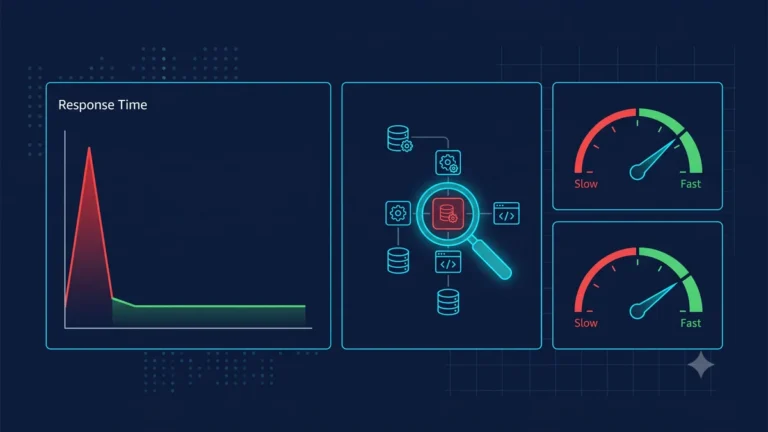
Performance Audit for AI-Built Apps: Finding the Hidden Bottlenecks
This is Part 5 of our AI Code Audit Series — covering the essential audits every team should run when building with AI agentic editors. Performance problems in AI-generated code share one characteristic that makes them particularly dangerous: they’re invisible in development. The application works correctly on a developer’s machine with a few hundred test […]
September 7, 2026
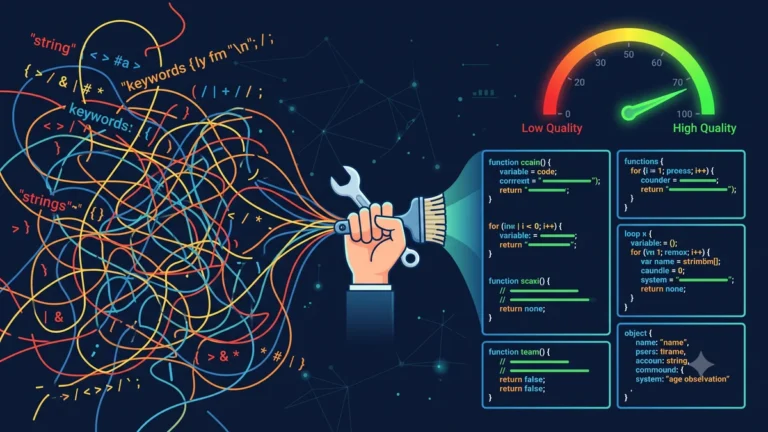
Code Quality Audit: How to Clean Up What AI Coding Tools Leave Behind
This is Part 4 of our AI Code Audit Series — covering the essential audits every team should run when building with AI agentic editors. Code quality problems are the quietest of all the issues AI agentic editors introduce. They don’t cause immediate failures. They don’t create security breaches. They don’t produce wrong results in […]

September 7, 2026
Security Audit for AI-Generated Code: A Developer’s Checklist
This is Part 3 of our AI Code Audit Series — covering the essential audits every team should run when building with AI agentic editors. Security is where AI-generated code fails most dangerously. Not most frequently — business logic errors are more common. But most dangerously, because security vulnerabilities don’t produce visible symptoms until they’re […]

September 7, 2026
Business Logic Audit: How to Catch What AI Gets Wrong in Your App
This is Part 2 of our AI Code Audit Series — covering the essential audits every team should run when building with AI agentic editors. Of all the audit types we run on AI-generated codebases, the business logic audit is the one that finds the most expensive problems. Not the most numerous — security audits […]
September 7, 2026
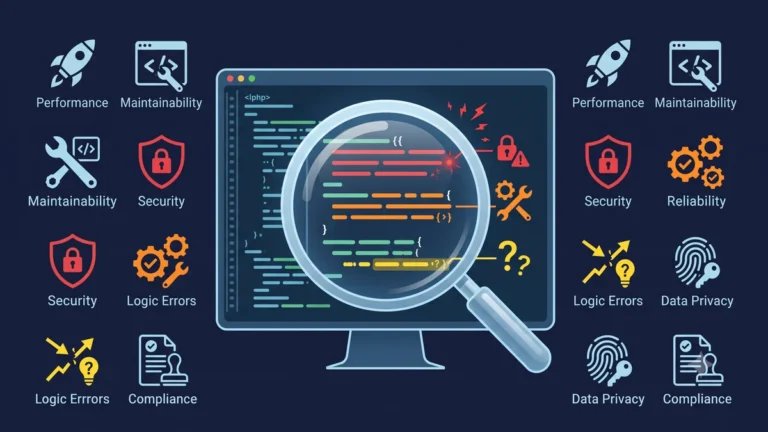
Why AI Agentic Editors Need Code Audits — And How to Run Them
AI agentic editors have fundamentally changed how software gets written. Tools like Cursor, GitHub Copilot, Windsurf, and Claude Code don’t just autocomplete lines — they write entire functions, scaffold full features, generate database migrations, wire up API endpoints, and in some cases build significant portions of an application from a single prompt. The speed is […]

September 6, 2026
Why Building a Website Is Like Building a City — And Why Most Businesses Get It Wrong
When most business owners think about building a website, they imagine something like ordering furniture — pick a style, give someone the content, wait a few weeks, done. If it doesn’t quite work, you move a few things around. This mental model is why so many business websites underperform. A website isn’t furniture. It’s infrastructure. […]
September 6, 2026
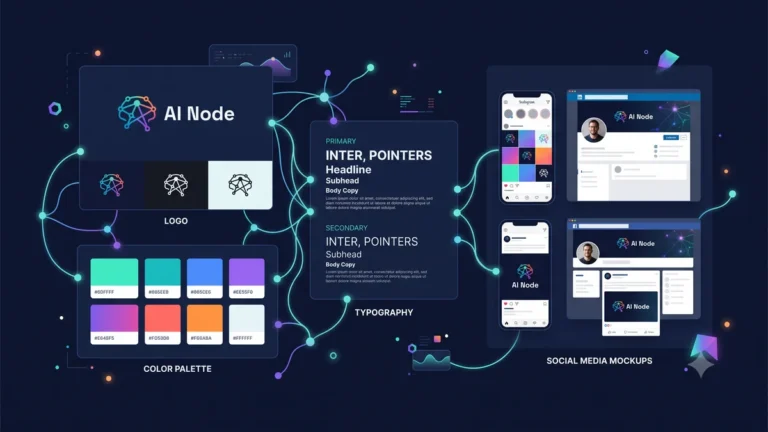
How to Build a Strong Brand Using AI — A Practical Guide for Startups and SMBs
Ten years ago, building a proper brand required a branding agency, a graphic designer, a copywriter, and a budget that most startups and small businesses simply didn’t have. You either paid for professional branding or you launched with something cobbled together that quietly communicated “we’re not serious yet.” That equation has changed completely. AI tools […]

September 5, 2026
The Hidden Security Risks of Building Apps With AI — and How to Fix Them
AI coding tools have genuinely changed how software gets built. GitHub Copilot, Cursor, Claude, ChatGPT — developers are using them to write boilerplate, generate functions, scaffold entire features, and move faster than was previously possible. The productivity gains are real and significant. But there’s a problem that doesn’t get nearly enough attention: AI coding tools […]
September 5, 2026
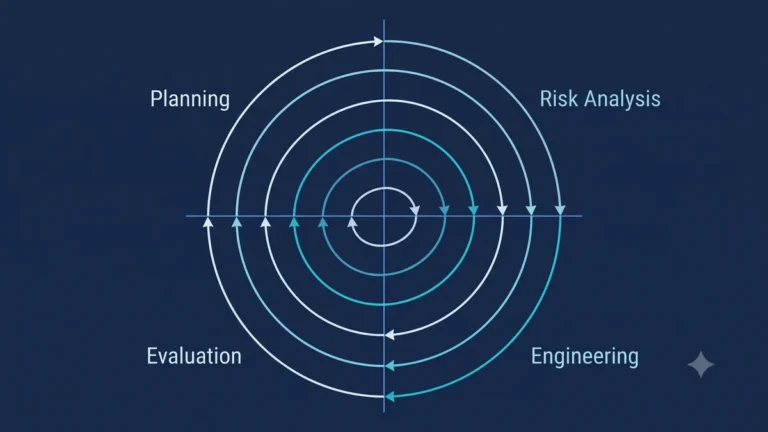
Spiral Model in Software Development: Pros, Cons, and When It Actually Makes Sense
Most software development teams never use the Spiral model. They work in Agile sprints, or occasionally Waterfall, and the Spiral model is something they learned about in a university course and filed away as theoretical. That’s partly justified — the Spiral model is genuinely not the right choice for most projects. But for the specific […]