
Category: DevOps
Server management, CI/CD pipelines, Docker, Linux, and infrastructure automation guides.
September 7, 2026
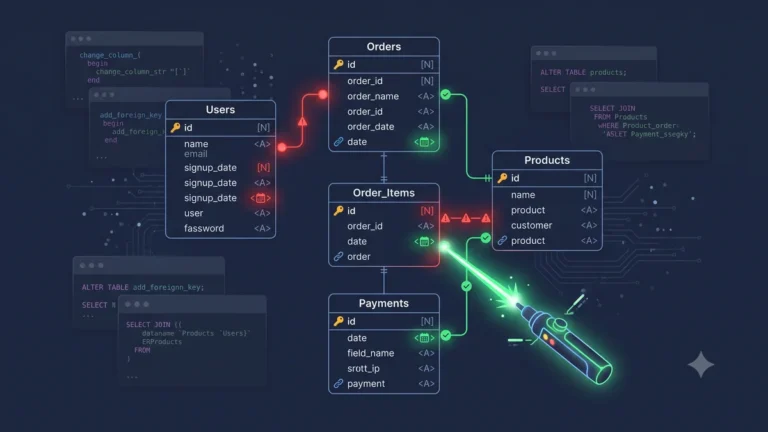
Database Audit: What AI Misses When It Writes Your Queries and Schema
This is Part 6 of our AI Code Audit Series — covering the essential audits every team should run when building with AI agentic editors. The database audit is the final post in this series and in many ways the most consequential. Application code can be refactored. Business logic can be corrected. Security vulnerabilities can […]
September 7, 2026
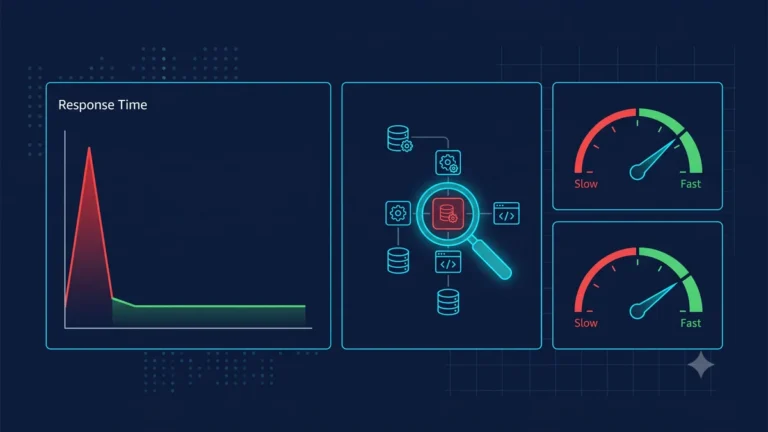
Performance Audit for AI-Built Apps: Finding the Hidden Bottlenecks
This is Part 5 of our AI Code Audit Series — covering the essential audits every team should run when building with AI agentic editors. Performance problems in AI-generated code share one characteristic that makes them particularly dangerous: they’re invisible in development. The application works correctly on a developer’s machine with a few hundred test […]
September 7, 2026
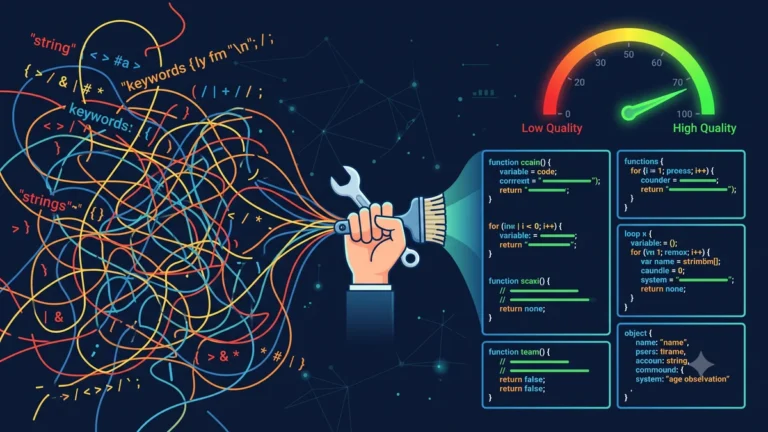
Code Quality Audit: How to Clean Up What AI Coding Tools Leave Behind
This is Part 4 of our AI Code Audit Series — covering the essential audits every team should run when building with AI agentic editors. Code quality problems are the quietest of all the issues AI agentic editors introduce. They don’t cause immediate failures. They don’t create security breaches. They don’t produce wrong results in […]

September 7, 2026
Business Logic Audit: How to Catch What AI Gets Wrong in Your App
This is Part 2 of our AI Code Audit Series — covering the essential audits every team should run when building with AI agentic editors. Of all the audit types we run on AI-generated codebases, the business logic audit is the one that finds the most expensive problems. Not the most numerous — security audits […]
September 7, 2026
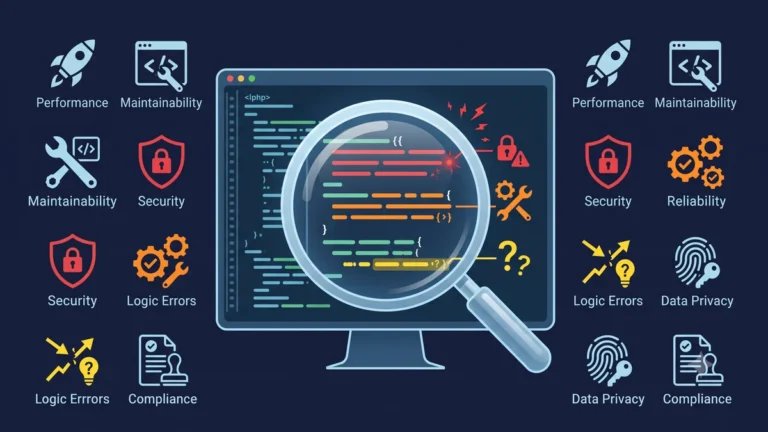
Why AI Agentic Editors Need Code Audits — And How to Run Them
AI agentic editors have fundamentally changed how software gets written. Tools like Cursor, GitHub Copilot, Windsurf, and Claude Code don’t just autocomplete lines — they write entire functions, scaffold full features, generate database migrations, wire up API endpoints, and in some cases build significant portions of an application from a single prompt. The speed is […]

September 5, 2026
Spiral Model in Software Development: Pros, Cons, and When It Actually Makes Sense
Most software development teams never use the Spiral model. They work in Agile sprints, or occasionally Waterfall, and the Spiral model is something they learned about in a university course and filed away as theoretical. That’s partly justified — the Spiral model is genuinely not the right choice for most projects. But for the specific […]
July 26, 2026
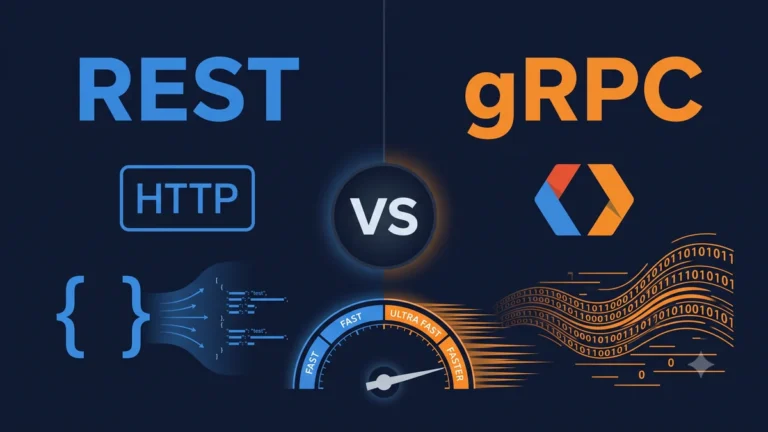
REST vs gRPC: Which Should You Choose for Your Next API in 2026?
Every API starts with the same question: REST or something else? For most web applications, REST wins by default. But as systems grow — microservices communicating internally, real-time data streams, high-performance mobile backends — gRPC becomes increasingly compelling. This guide gives you the honest comparison so you can make the right call for your specific […]
July 26, 2026
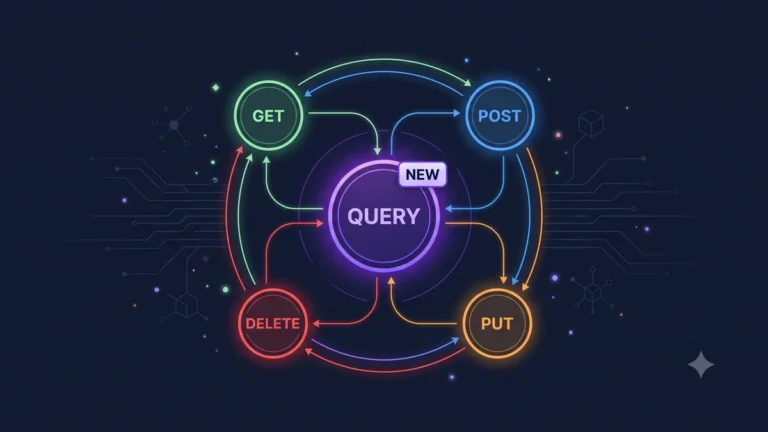
HTTP QUERY Method Explained: The New RFC 10008 Standard Every API Developer Needs to Know
HTTP has had the same core methods since the 1990s — GET, POST, PUT, PATCH, DELETE. They’ve served the web well. But one scenario has always been awkward: complex searches that need a request body. RFC 10008, published in 2026, formalizes the HTTP QUERY method — a new HTTP verb specifically designed for safe, idempotent […]
July 25, 2026
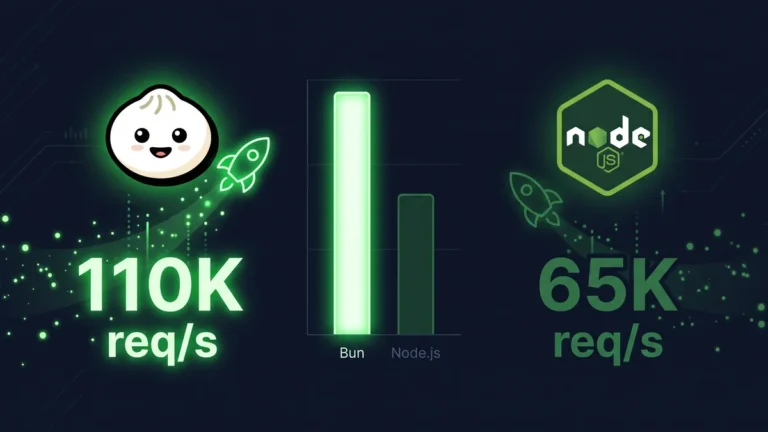
Bun 2.0: Should Your Node.js Projects Switch in 2026?
Bun has been promising to replace Node.js for two years. Bun 2.0 is the version where the conversation gets serious. It’s not a toy anymore — it’s running in production at real companies, it ships 95%+ Node.js compatibility, and the performance numbers are genuinely significant. But “should you switch” is the wrong question. The right […]
July 25, 2026
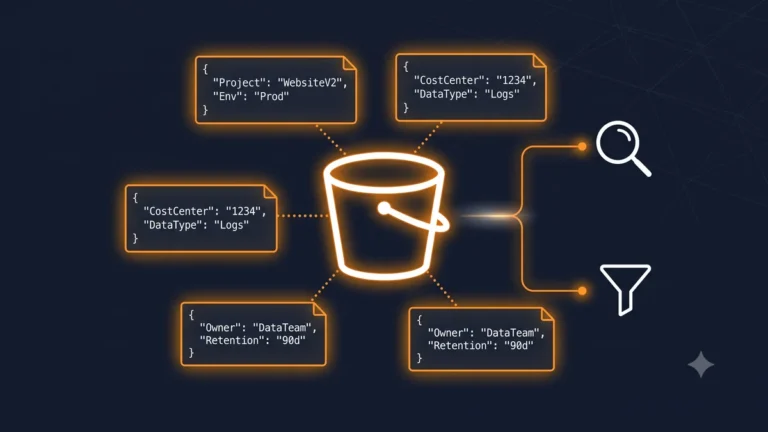
Amazon S3 Object Annotations: Attach Rich Metadata Directly to Your Files
Amazon S3 recently shipped a feature that sounds minor but changes how you think about file storage: Object Annotations. You can now attach rich, queryable context directly to S3 objects — and query across that context without touching the files themselves. This is different from S3’s existing metadata in ways that matter. Here’s what changed […]