
Tag: Laravel
September 7, 2026
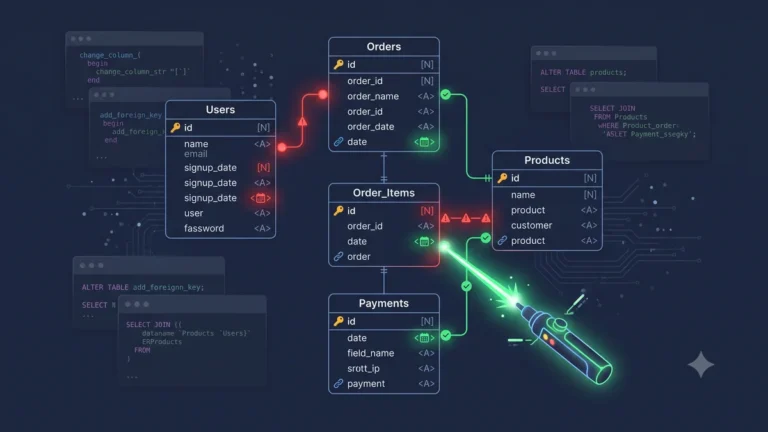
Database Audit: What AI Misses When It Writes Your Queries and Schema
This is Part 6 of our AI Code Audit Series — covering the essential audits every team should run when building with AI agentic editors. The database audit is the final post in this series and in many ways the most consequential. Application code can be refactored. Business logic can be corrected. Security vulnerabilities can […]
September 7, 2026
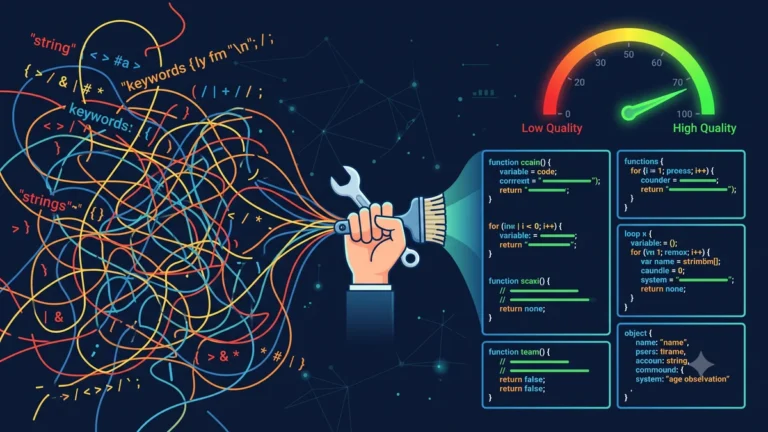
Code Quality Audit: How to Clean Up What AI Coding Tools Leave Behind
This is Part 4 of our AI Code Audit Series — covering the essential audits every team should run when building with AI agentic editors. Code quality problems are the quietest of all the issues AI agentic editors introduce. They don’t cause immediate failures. They don’t create security breaches. They don’t produce wrong results in […]

September 7, 2026
Business Logic Audit: How to Catch What AI Gets Wrong in Your App
This is Part 2 of our AI Code Audit Series — covering the essential audits every team should run when building with AI agentic editors. Of all the audit types we run on AI-generated codebases, the business logic audit is the one that finds the most expensive problems. Not the most numerous — security audits […]
September 7, 2026
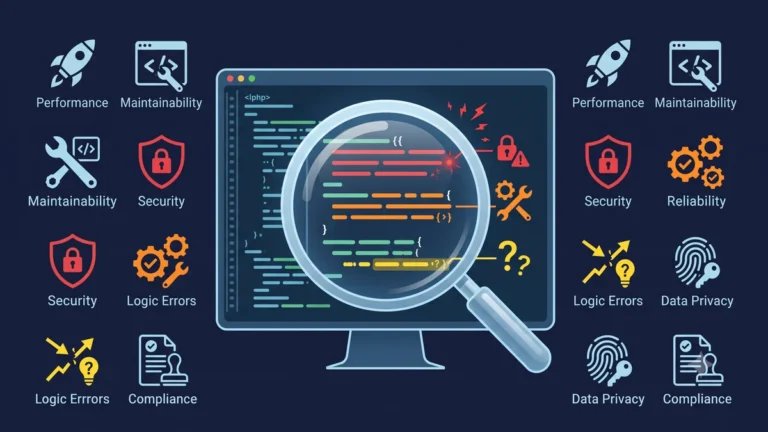
Why AI Agentic Editors Need Code Audits — And How to Run Them
AI agentic editors have fundamentally changed how software gets written. Tools like Cursor, GitHub Copilot, Windsurf, and Claude Code don’t just autocomplete lines — they write entire functions, scaffold full features, generate database migrations, wire up API endpoints, and in some cases build significant portions of an application from a single prompt. The speed is […]
July 26, 2026
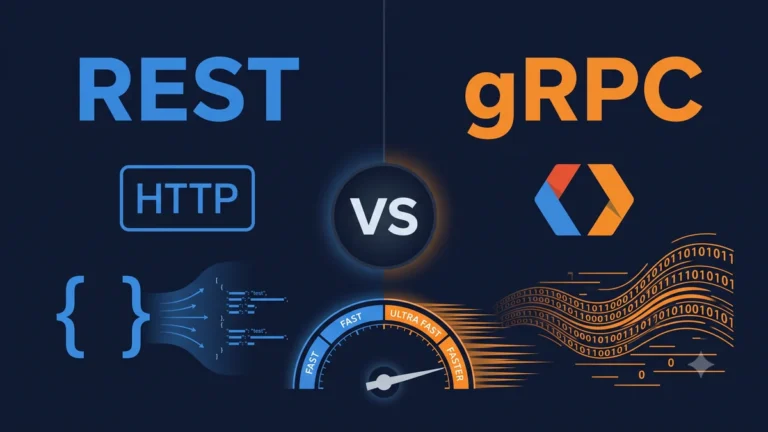
REST vs gRPC: Which Should You Choose for Your Next API in 2026?
Every API starts with the same question: REST or something else? For most web applications, REST wins by default. But as systems grow — microservices communicating internally, real-time data streams, high-performance mobile backends — gRPC becomes increasingly compelling. This guide gives you the honest comparison so you can make the right call for your specific […]
July 26, 2026
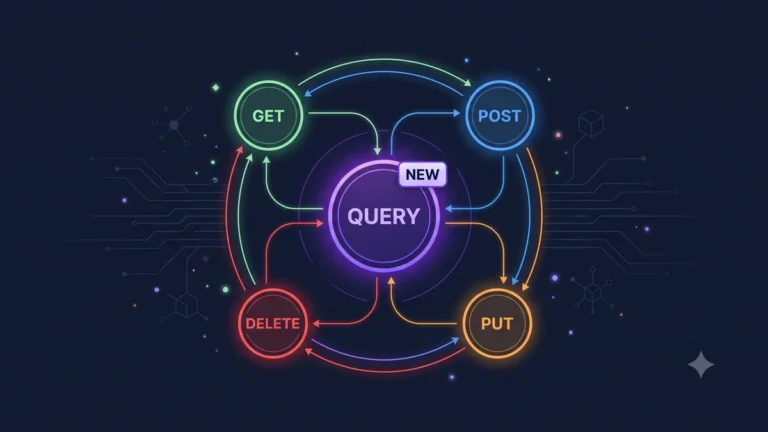
HTTP QUERY Method Explained: The New RFC 10008 Standard Every API Developer Needs to Know
HTTP has had the same core methods since the 1990s — GET, POST, PUT, PATCH, DELETE. They’ve served the web well. But one scenario has always been awkward: complex searches that need a request body. RFC 10008, published in 2026, formalizes the HTTP QUERY method — a new HTTP verb specifically designed for safe, idempotent […]
July 21, 2026
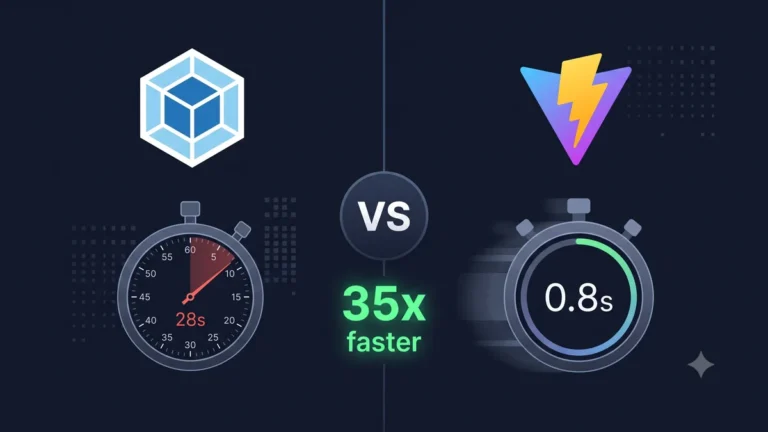
Vite 7 vs Webpack 5: Why Every Laravel Developer Should Switch to Vite
If your Laravel project still uses Laravel Mix (which runs on webpack under the hood), you’re using a build tool from a different era. Vite 7 is faster, simpler, and ships with Laravel 13 by default. This guide explains why the switch matters and exactly how to make it. The Build Tool Landscape in 2026 […]
July 21, 2026
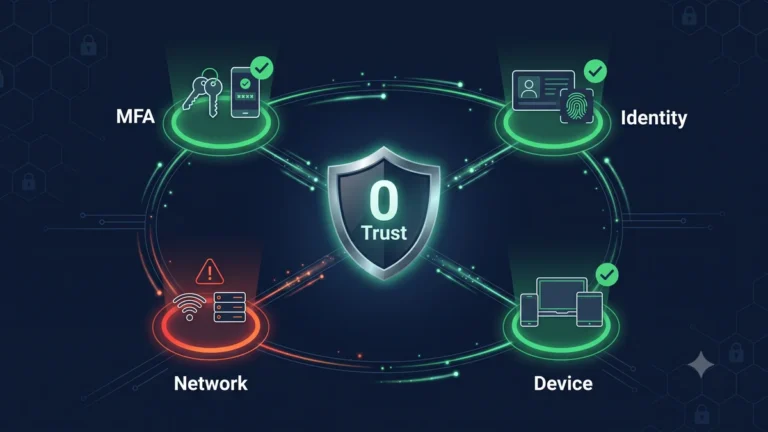
Zero Trust Security for Indian Web Applications: Practical 2026 Guide
Zero Trust is the security model that assumes every request — whether from inside or outside your network — is potentially hostile until proven otherwise. In 2026, with remote teams, cloud hosting, and AI-powered attacks, it’s the only sensible default for web applications handling real business data. This guide translates Zero Trust principles into practical […]
July 20, 2026
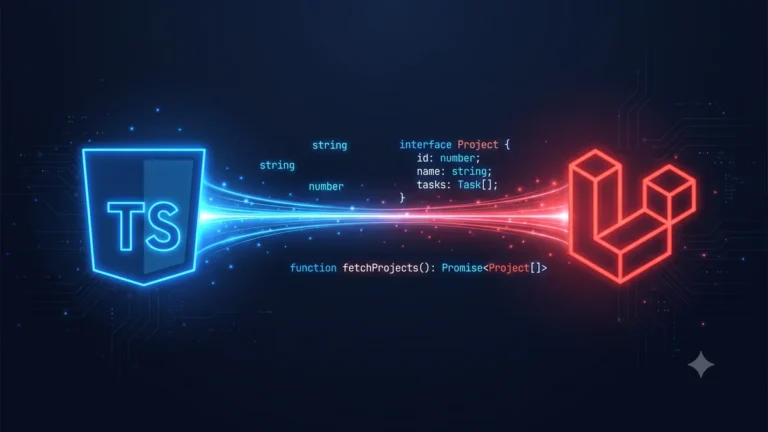
TypeScript in Laravel Projects: Complete Setup Guide 2026
TypeScript has become the professional baseline for JavaScript development in 2026. If your Laravel project has a React or Vue frontend, running plain JavaScript is leaving a significant safety net on the table. This guide covers a complete TypeScript setup for Laravel — from Vite configuration to shared types between your PHP backend and React […]
July 20, 2026
Inertia.js v2 + Laravel 13: Build Full-Stack Apps Without a Separate API
Inertia.js solves one of the most common Laravel architecture questions: “Should I build a REST API and a separate React/Vue frontend, or use Blade?” The answer in 2026 is neither. Inertia.js gives you a single Laravel application that renders React or Vue components server-driven — without building an API, without duplicating authentication, without CORS configuration. […]