
Month: July 2026
July 26, 2026
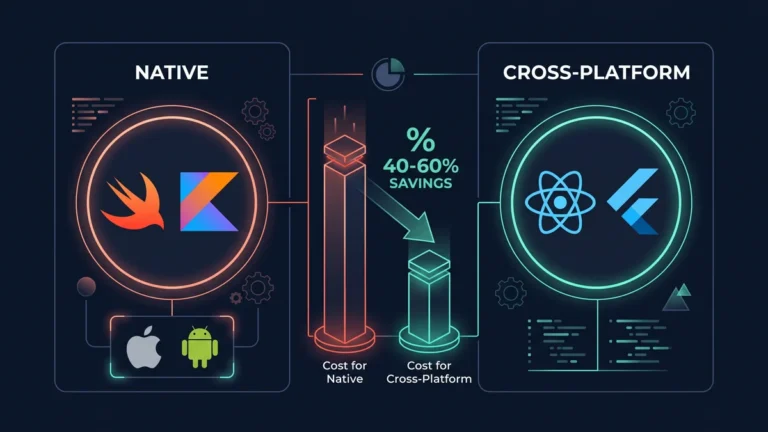
Native vs Cross-Platform App Development in 2026: Which Approach Should You Choose?
Every mobile project starts here: should you build native apps (separate iOS and Android codebases) or use a cross-platform framework (one codebase for both)? In 2026, the answer is clearer than it’s ever been — and the conventional wisdom has shifted in ways that matter for Indian teams building business apps. What Native Development Actually […]
July 26, 2026
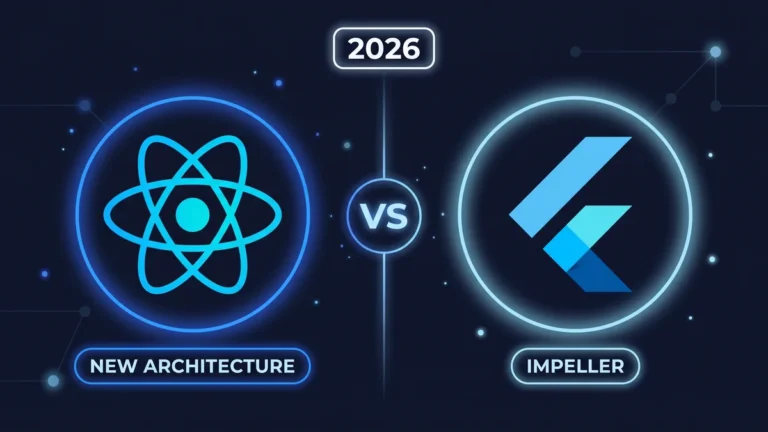
React Native vs Flutter in 2026: The Most Complete Comparison for App Developers
We published a React Native vs Flutter comparison earlier this year. Since then, React Native shipped the New Architecture as default and Flutter released significant updates. The landscape changed enough to warrant a deeper look — particularly for teams building apps for the Indian market. This is the most complete comparison you’ll find in 2026. […]
July 26, 2026
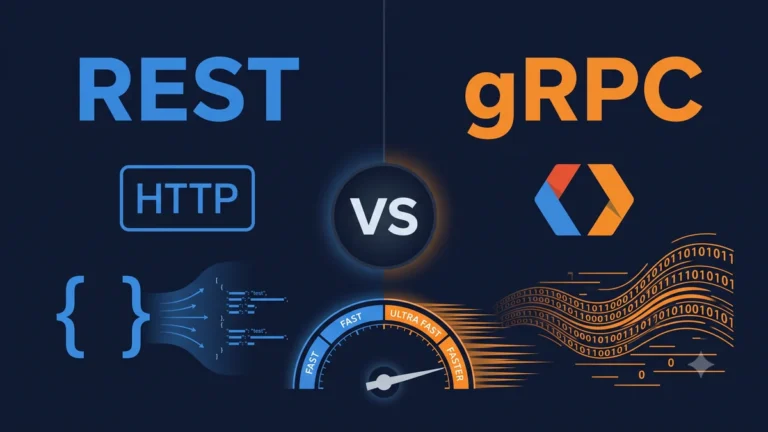
REST vs gRPC: Which Should You Choose for Your Next API in 2026?
Every API starts with the same question: REST or something else? For most web applications, REST wins by default. But as systems grow — microservices communicating internally, real-time data streams, high-performance mobile backends — gRPC becomes increasingly compelling. This guide gives you the honest comparison so you can make the right call for your specific […]
July 26, 2026
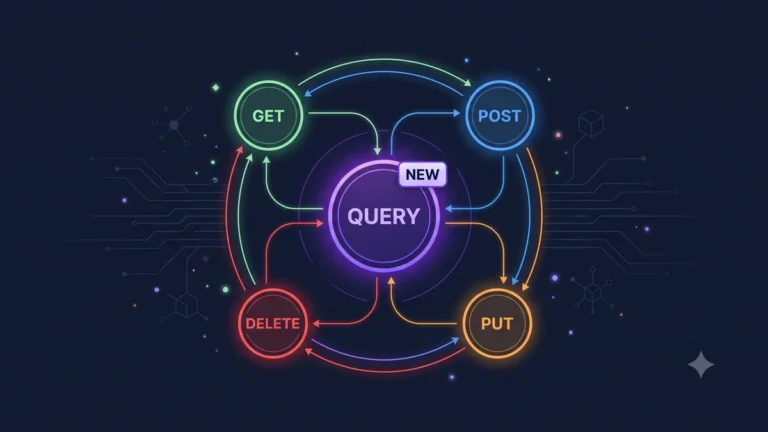
HTTP QUERY Method Explained: The New RFC 10008 Standard Every API Developer Needs to Know
HTTP has had the same core methods since the 1990s — GET, POST, PUT, PATCH, DELETE. They’ve served the web well. But one scenario has always been awkward: complex searches that need a request body. RFC 10008, published in 2026, formalizes the HTTP QUERY method — a new HTTP verb specifically designed for safe, idempotent […]
July 25, 2026
React Native New Architecture in Production: What Actually Changed for Developers
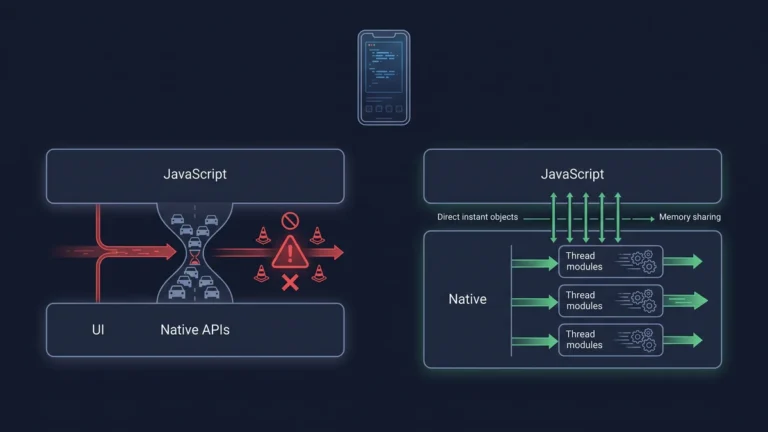
React Native’s New Architecture — Fabric renderer, JSI, and TurboModules — is now enabled by default in new React Native projects in 2026. After years of being “the future,” it’s the present. If you’re building React Native apps today, you’re building on the New Architecture whether you know it or not. This post is about […]
July 25, 2026
Bun 2.0: Should Your Node.js Projects Switch in 2026?
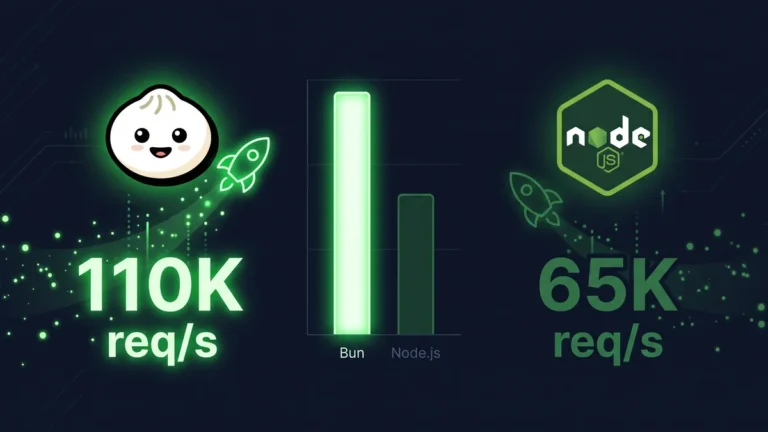
Bun has been promising to replace Node.js for two years. Bun 2.0 is the version where the conversation gets serious. It’s not a toy anymore — it’s running in production at real companies, it ships 95%+ Node.js compatibility, and the performance numbers are genuinely significant. But “should you switch” is the wrong question. The right […]
July 25, 2026
The Real Cost of Technical Debt: A Story Every Indian Software Team Knows
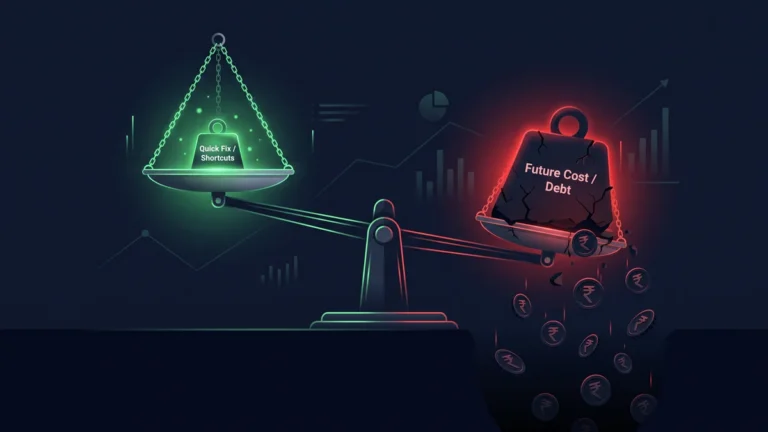
Every Indian software team I’ve talked to in the last year has some version of the same story. A system built in a hurry 3–5 years ago, now running the business, now impossible to change without breaking things, now requiring 60% of developer time just to keep working. Technical debt is not abstract. It has […]
July 25, 2026
The JavaScript Ecosystem in 2026: What’s Dead, What Won, and What’s Next
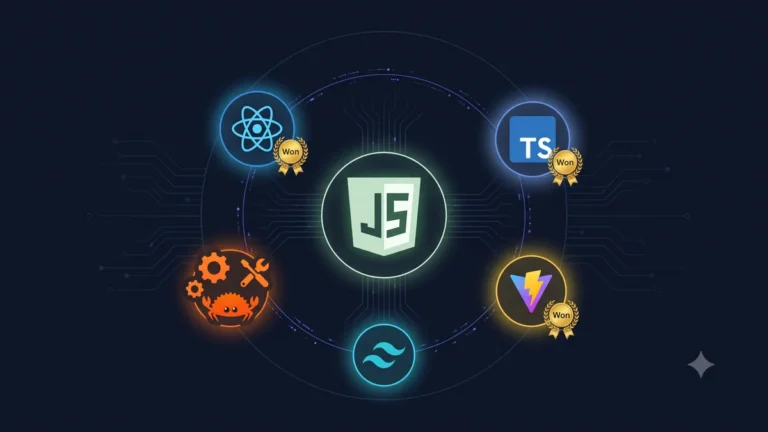
Every year someone publishes “The State of JavaScript” and every year it generates anxiety — too many frameworks, too much churn, too hard to know what to learn. This is a different kind of analysis: what actually settled, what genuinely changed, and what you should care about versus what you can safely ignore. What Actually […]
July 25, 2026
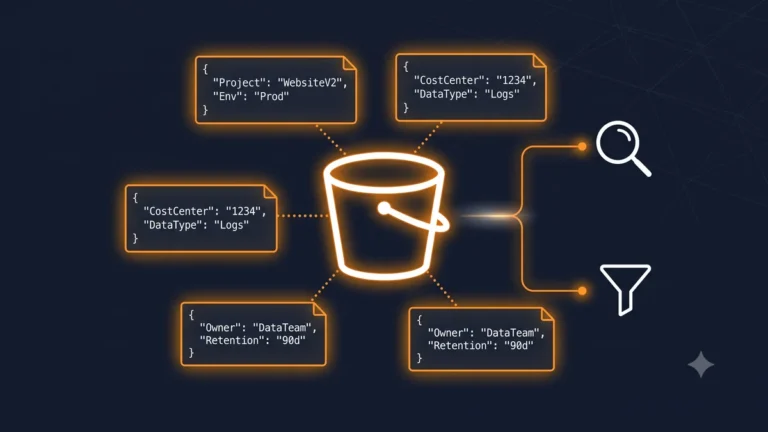
Amazon S3 Object Annotations: Attach Rich Metadata Directly to Your Files
Amazon S3 recently shipped a feature that sounds minor but changes how you think about file storage: Object Annotations. You can now attach rich, queryable context directly to S3 objects — and query across that context without touching the files themselves. This is different from S3’s existing metadata in ways that matter. Here’s what changed […]
July 24, 2026
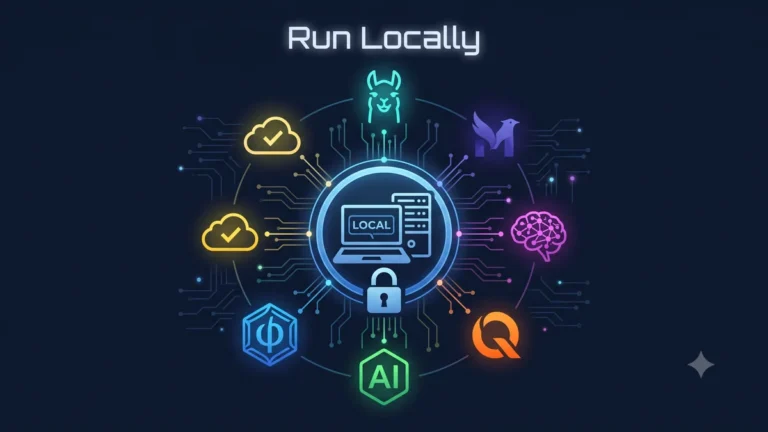
Open Source LLMs for Developers: The Complete 2026 Guide to Running AI Locally
Claude, ChatGPT, and Gemini are excellent. They’re also $20/month per seat, send your code to third-party servers, and require an internet connection. For many use cases, there’s a better option: open source LLMs running locally on your own hardware. In 2026, the open source LLM ecosystem has matured to the point where local AI is […]