
🕮5 min read · 949 words
Every software project starts with a problem. This one started with a phone call at 8am from a frustrated operations manager who couldn’t tell his client where their shipment was.
This is the story of how we helped a mid-sized transport company based in Central India replace their spreadsheet-based operations with a real logistics management system — built and deployed in 11 weeks.
The Client
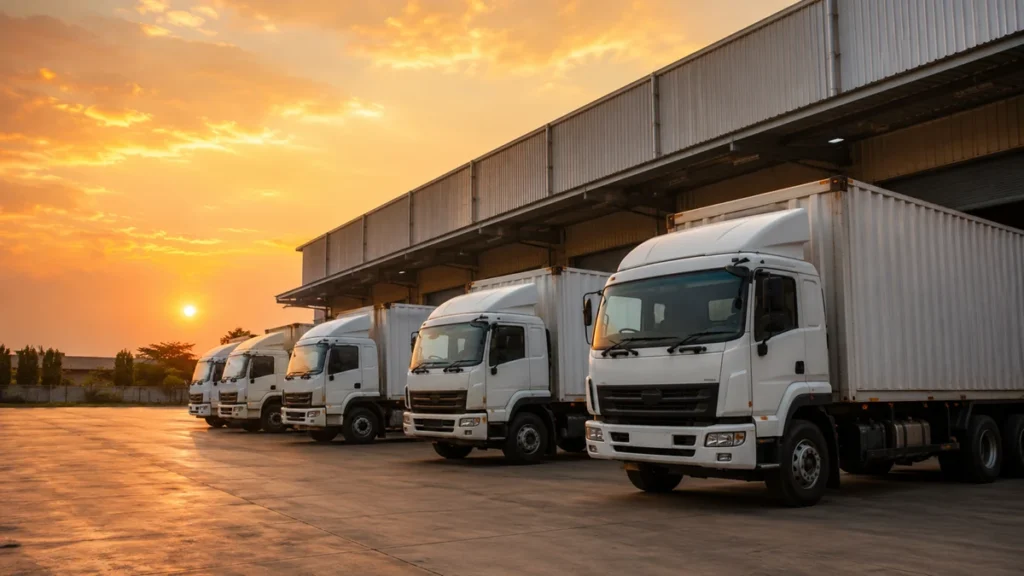
Our client runs a fleet of 40+ commercial vehicles operating across Madhya Pradesh, Chhattisgarh, and Maharashtra. They handle B2B freight — raw materials, manufactured goods, FMCG distribution — for around 60 regular clients.
For years they managed everything manually: driver assignments in notebooks, billing in Excel, client updates over WhatsApp, and fuel expense tracking on paper registers.
It worked — until it didn’t.
The Problem
By the time they approached us, they were dealing with three serious operational issues every single week.
Billing errors. Invoices were being raised from memory and rough notes. Discrepancies between what was charged and what was agreed were creating disputes with clients — and damaging long-term relationships.
No real-time visibility. Clients would call asking for shipment status. The operations team would then call the driver, wait for a response, and call the client back. In 2024, this was unacceptable to their larger corporate clients.
Fuel and expense leakage. Without a system tracking fuel consumption per trip against distance, there was no way to identify inefficiency or catch discrepancies. The fleet manager estimated losses of ₹40,000–60,000 per month from untracked expenses.
What They Asked For
The brief was simple: “We want to know where every vehicle is, what every trip costs, and be able to send our clients a proper invoice without doing maths by hand.”
We translated that into three core modules:
- Trip management — create, assign, and track trips from pickup to delivery
- Client billing — automated invoice generation based on trip data
- Expense tracking — fuel, tolls, driver allowances per trip
Our Approach
We spent the first two weeks doing nothing but listening. We visited their office in Jabalpur, sat with the operations team, rode along on one local delivery run, and mapped every manual process they had.
This discovery phase is something we insist on for every custom software project. The worst systems get built by developers who never leave their desk.
What we found shaped every decision we made:
- The team was not technical. The system had to work on basic Android phones with patchy internet.
- Drivers were even less technical. Any driver-facing feature had to be dead simple — ideally one tap.
- The operations manager needed a dashboard he could check at 6am before his chai went cold.
The Tech Stack
Given the team’s profile and the need for reliability on low-bandwidth connections, we chose:
Backend: Laravel 11 (PHP) — fast to build, easy to maintain, proven in production
Frontend (web dashboard): React + Tailwind CSS — clean, fast, works well on mid-range laptops
Mobile (driver app): React Native — one codebase for Android, simple UI, offline-capable for basic functions
Database: MySQL — straightforward, well-supported, easy to back up on shared hosting
Hosting: DigitalOcean VPS (₹1,200/month) — reliable, scalable, full control
We deliberately avoided over-engineering this. No microservices. No Kubernetes. A monolith that works reliably is worth more to a 40-truck fleet than a distributed system that needs a DevOps team to maintain.
The Build — 11 Weeks
Weeks 1–2: Discovery, wireframes, database schema design
Weeks 3–5: Core backend — trip model, vehicle model, client model, expense tracking logic
Weeks 6–7: Web dashboard — trip creation, assignment, live status board
Week 8: Invoice generation — PDF output, GST-compliant format, email delivery
Weeks 9–10: Driver mobile app — trip acceptance, status updates, expense photo uploads
Week 11: UAT with the operations team, bug fixes, staff training, go-live
The Results
We measured three things 60 days after go-live.
Billing disputes dropped to zero. Every invoice now generates directly from trip data. There’s no manual calculation and no room for discrepancy. The client told us two of their largest accounts specifically mentioned the improvement in billing accuracy.
Client update calls dropped by 80%. We built a simple client portal — just a URL with a trip reference — where clients can check their shipment status themselves. The operations team no longer spends 2 hours a day answering status calls.
Fuel expense tracking identified ₹52,000 in monthly leakage. Within the first 30 days, the expense reports revealed two routes where fuel consumption was significantly higher than the distance justified. After investigation, the issue was identified and addressed.
The system paid for itself within the first two months of operation.
What We Learned
A few things stood out from this project that we carry into every engagement since.
Offline-first matters in India. The driver app needed to queue updates locally when connectivity dropped and sync when it returned. We underestimated how often this would happen on highway routes through MP and CG. Building this properly in week 10 was the hardest technical problem on the project.
Training is part of the product. We spent two full days on-site training the operations team. The software was useless until they trusted it. That trust came from showing them, not telling them.
Keep the first version small. The client originally wanted GPS tracking, driver performance scoring, route optimization, and a client mobile app. We talked them out of all of it for version one. Doing fewer things well meant they actually used it — and now they’re funding version two.
What’s Next
We’re currently building version two of this system, which adds real-time GPS tracking via a low-cost hardware device fitted to each vehicle, automated route planning, and a client-facing mobile app.
If you’re running a fleet, a logistics operation, or any business where manual processes are creating errors and costing money, we’d be glad to talk through what a custom system could look like for you.
Leave a comment